
 The Standard Group Plc is a multi-media organization with investments in media
platforms spanning newspaper print
operations, television, radio broadcasting, digital and online services. The
Standard Group is recognized as a
leading multi-media house in Kenya with a key influence in matters of national
and international interest.
The Standard Group Plc is a multi-media organization with investments in media
platforms spanning newspaper print
operations, television, radio broadcasting, digital and online services. The
Standard Group is recognized as a
leading multi-media house in Kenya with a key influence in matters of national
and international interest.

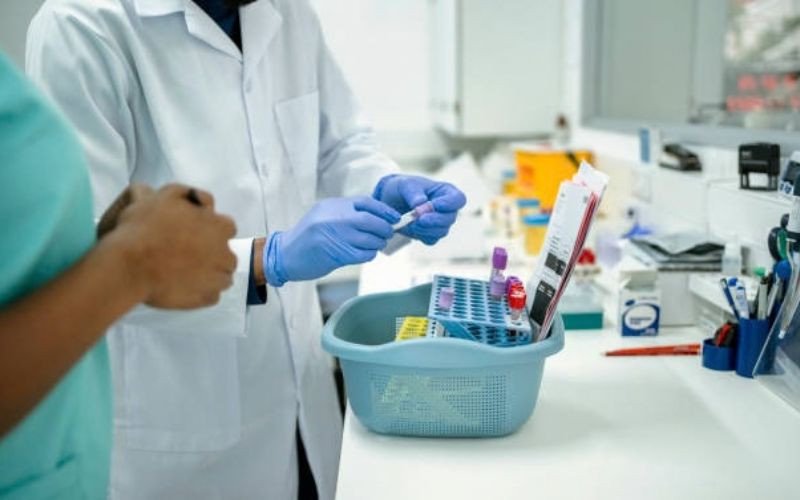
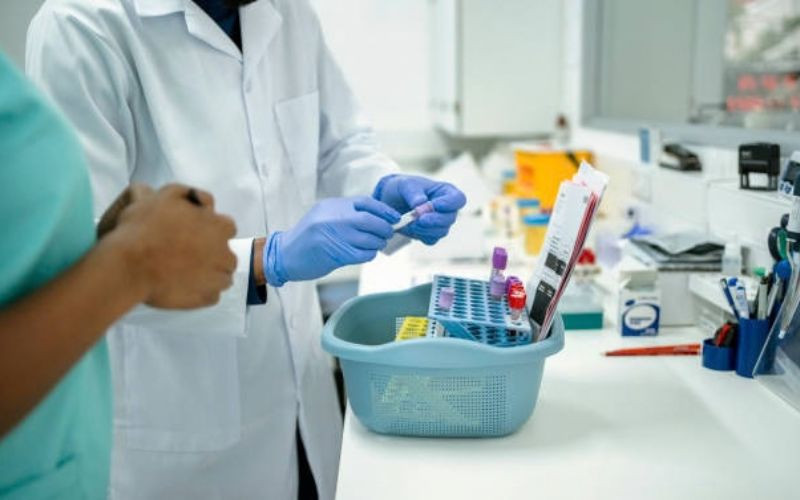
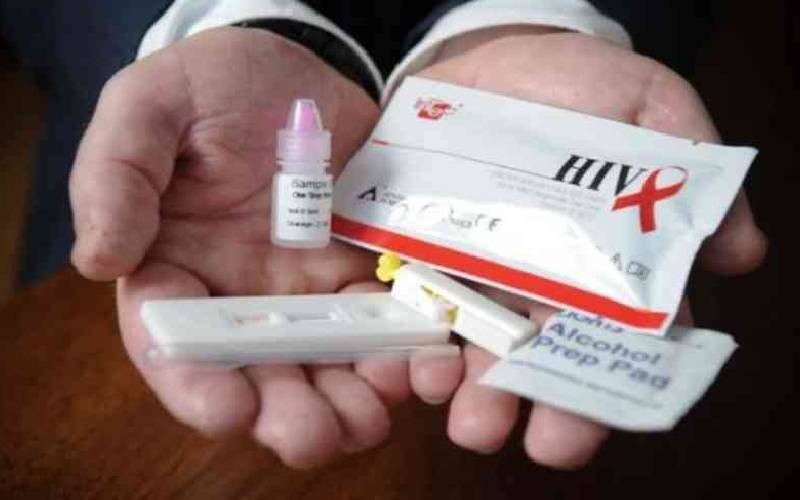
Growing concerns have emerged over the safety and accuracy of medical and clinical laboratory test results in Kenya following claims that more than 10,000 facilities handling patient samples are not being physically inspected.
Instead, inspectors from the Kenya Medical Laboratory Technicians and Technologists Board (KMLTTB) are allegedly relying on virtual reviews and phone assessments to audit facilities, which include private, faith-based, public hospital laboratories, and research institutions.The remote audits have sparked alarm within the sector, with health professionals questioning whether physical premises, equipment, cold-chain storage, reagents, testing protocols, and personnel competence can be adequately verified from a distance.An insider familiar with the inspection process said physical audits are essential, warning that several facilities are allegedly operating with unvalidated diagnostic test kits and without baseline quality control checks.“Facilities must be visited physically so inspectors can observe operations in real time,” the source said. “We have found testing kits without brand names or traceable batch numbers. How can this happen when the country is championing quality healthcare for all?”Speaking on condition of anonymity, the insider emphasized that clinical laboratory results guide critical medical decisions, including diagnosis, drug prescriptions, and treatment plans, making strict oversight indispensable to Kenya’s Universal Health Coverage (UHC) rollout.Routine physical inspections are also critical for national disease surveillance and outbreak detection.“If there is a cholera outbreak in Nairobi or elsewhere, confirmation begins in the laboratory,” the source added. “Outbreak investigations rely on verifiable diagnostic accuracy, as demonstrated during the COVID-19 pandemic.”The source noted that diagnostic validation must happen across three tiers: by the manufacturer, through national regulatory bodies, and inside individual facilities. Comprehensive audits evaluate physical infrastructure, bio-risk management, infection control, data protection, and equipment calibration.The oversight gaps have brought scrutiny to the welfare and operational capacity of medical laboratory inspectors engaged by the KMLTTB.In a petition dated August 21, 2026, addressed to President William Ruto through Chief of Staff and Head of Public Service Felix Koskei, inspectors appealed for intervention regarding their employment terms and the board's declining regulatory reach.The inspectors stated that they serve as the frontline workforce safeguarding diagnostic reliability across the country. They argued that UHC cannot succeed through expanded access alone, noting that accurate diagnostic testing is critical to antimicrobial stewardship, maternal and child healthcare, non-communicable disease management, and epidemic preparedness.“We contribute to diagnostic quality within Kenya’s health system through nationwide regulatory oversight, assessing laboratory compliance, professional competence, quality systems, equipment, and safety,” the letter read in part.Despite serving the KMLTTB for periods ranging between two and ten years, the inspectors claimed they have never been issued formal employment contracts.
They cited lack of pension benefits, annual leave, and gratuity, alongside unpaid statutory deductions and daily subsistence allowances that fall below standard rates set by the Salaries and Remuneration Commission (SRC).
The petition warned that these precarious working conditions threaten institutional memory, regulatory continuity, and workforce morale, urging the government to establish a clear framework to regularize staff and modernize regulatory tools.The letter was copied to Health Cabinet Secretary Aden Duale, Public Health Principal Secretary Mary Muthoni, Medical Services Principal Secretary Ouma Oluga, and the parliamentary health committees of both the National Assembly and the Senate.In a subsequent statement issued in September, the inspectors warned that systemic regulatory weaknesses directly imperil the newly established Social Health Authority (SHA).Under SHA operational guidelines, medical facilities must operate an accredited clinical laboratory to qualify for public health financing and patient reimbursement. However, with physical inspections stalled, facilities cleared to provide SHA-funded care may be operating sub-standard laboratories.“Laboratory results determine whether a patient receives broad-spectrum antibiotics, is diagnosed with cancer or diabetes, or receives timely obstetric care,” the inspectors stated. “Inspection is the mechanism through which standards are verified rather than presumed. A weakened oversight system allows critical failures to slip through unnoticed.”The inspectors urged the Ministry of Health to reinforce the KMLTTB's enforcement mandate to ensure public health funds are channeled only to accredited, high-standard diagnostic centers.Efforts to obtain comment from the Ministry of Health and the KMLTTB were unsuccessful by the time of publication.






 join
join