×

The Standard e-Paper
Fearless, Trusted News
 The Standard Group Plc is a
multi-media organization with investments in media platforms spanning newspaper
print operations, television, radio broadcasting, digital and online services. The
Standard Group is recognized as a leading multi-media house in Kenya with a key
influence in matters of national and international interest.
The Standard Group Plc is a
multi-media organization with investments in media platforms spanning newspaper
print operations, television, radio broadcasting, digital and online services. The
Standard Group is recognized as a leading multi-media house in Kenya with a key
influence in matters of national and international interest.

Audio By Vocalize
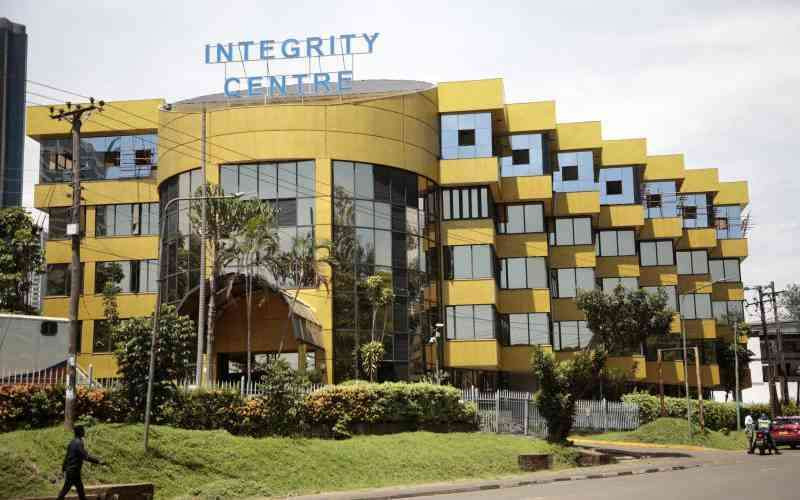
A new report by the Ethics and Anti-Corruption Commission (EACC) has cast a damning spotlight on Kenya’s judiciary, finding that magistrates receive the largest bribes among public officials, often with little regard for what citizens can afford.
The survey, titled 'Kenya National Gender and Corruption Survey, 2025' shows judicial officers received the highest average bribe at Sh164,367. more than any other category of public servant.
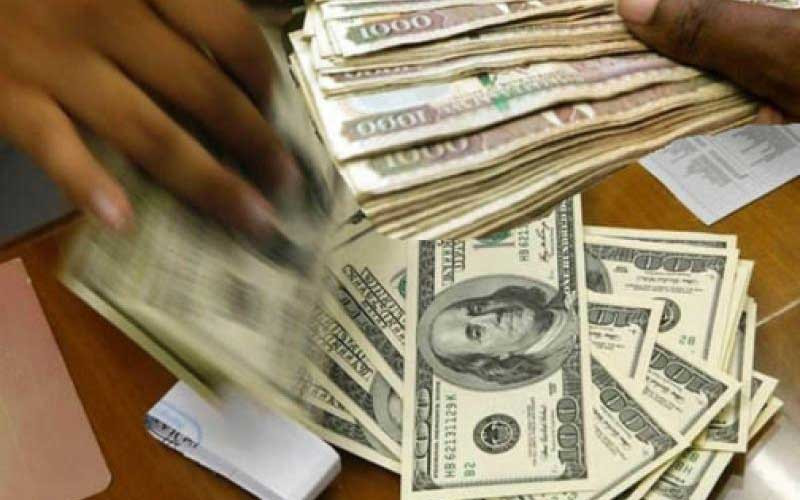
Most payments were made in cash.
Some citizens who paid these bribes reported monthly incomes of less than Sh10,000.
Male judicial officers accounted for most bribery incidents, with 75 percent of solicitations attributed to men, compared with 25 percent to women.
Service seekers said they most frequently interacted with female magistrates (28 percent), female judges (23 percent) and female civil registration officials (22 percent).
The findings are striking given that magistrates’ courts serve as designated anti-corruption courts, placing them at the forefront of efforts to combat graft.
The report comes amid growing public scrutiny of the judiciary.
Prominent lawyers and former Law Society of Kenya presidents Ahmednasir Abdullahi and Nelson Havi have repeatedly accused judicial officers of accepting bribes to influence rulings.
President William Ruto also weighed in last year during an event marking 15 years of the Constitution, urging the judiciary to address corruption within its ranks.
“The Judiciary must confront corruption within its own ranks. I am aware of the vigorous and often unsettling conversation around terms like ‘jurispesa.’ If the institution mandated to dispense justice is perceived as corrupt, it erodes confidence and undermines the Constitution it is sworn to protect,” Ruto said.
Chief Justice Martha Koome has defended the institution, urging the accusers to present evidence.
Corrupt Police force
Despite concerns about the judiciary, police remain the public face of corruption.
About 45 percent of Kenyans who reported bribery incidents cited the police, while the Interior and National Administration Ministry was ranked the most corrupt.
Stay informed. Subscribe to our newsletter
At the county level, health departments emerged as leading corruption hotspots. Other sectors flagged for high bribery include civil registration, the National Transport and Safety Authority (NTSA), land registries and registration of persons.
Speaking at the report’s launch in Nairobi, Transparency International Kenya Executive Director Sheila Masinde raised concern over the rising cost of corruption. The average bribe increased by 38 per cent to Sh6,724 in 2025.
She also highlighted a low reporting rate, with 98 percent of bribery victims saying they did not file formal complaints, citing inaction by authorities.
“The size of bribes paid to magistrates is concerning, given the implications for access to justice. But where are Kenyans getting the money to pay these amounts?” she posed.
The survey was conducted in collaboration with the United Nations Office on Drugs and Crime (UNODC).



Subscribe to our newsletter and stay updated on the latest developments and special offers!








 join
join