×

The Standard e-Paper
Join Thousands Daily
 The Standard Group Plc is a
multi-media organization with investments in media platforms spanning newspaper
print operations, television, radio broadcasting, digital and online services. The
Standard Group is recognized as a leading multi-media house in Kenya with a key
influence in matters of national and international interest.
The Standard Group Plc is a
multi-media organization with investments in media platforms spanning newspaper
print operations, television, radio broadcasting, digital and online services. The
Standard Group is recognized as a leading multi-media house in Kenya with a key
influence in matters of national and international interest.

Audio By Vocalize
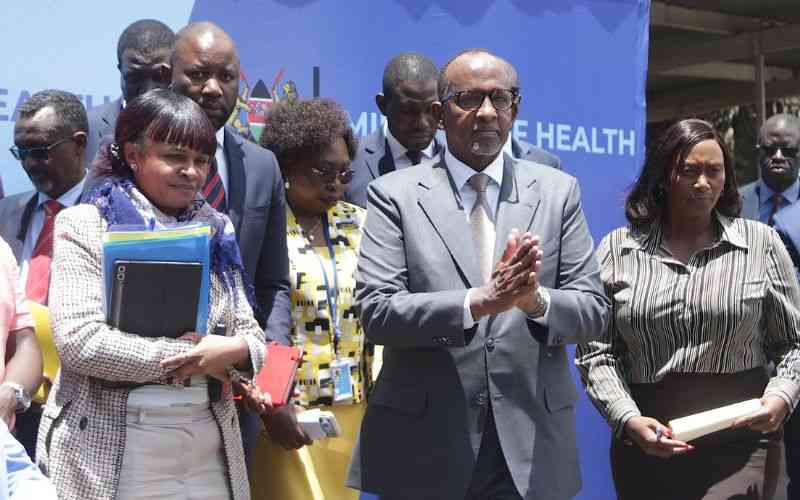
News that Kenya has registered its first case of Ebola, and that the patient died on Saturday last week, has sent an immediate shockwave of anxiety across the country.
Health Cabinet Secretary Aden Duale confirmed this on Tuesday during a press conference in Nairobi, putting a face to the grave health threat we have long observed from a safe distance. But as the nation grapples with this sobering reality, uncomfortable questions must be asked without delay.
First, how did a sick individual traveling by road to Uganda from the Democratic Republic of Congo (DRC), a country that has reported 4,000 Ebola deaths, and later by air from Uganda to Kenya pass through international transit and screening completely undetected?
The man traveled straight into the very heart of our capital city. It beats logic that an individual arriving directly from a high-risk zone was able to clear port health surveillance at Jomo Kenyatta International Airport (JKIA) without basic symptoms raising immediate red flags among health officers.
It is also important for Kenya to confirm from DRC and Uganda what disease the man was being treated for and why he was allowed to proceed to Kenya if it was already known that he was suffering from Ebola. It is imperative to establish who dropped the ball.
But considering that it is not in question that Ebola has now landed in Kenya, the government must do what ought to be done to avert the spread of this disease.
Already, good progress has been made as 28 people who had contact with the patient been identified. The Ministry of Health must spread the net farther afield and ensure that all people who came into contact with these people are similarly isolated to avoid the risk of the virus spreading further.
That said, it is notable that Kenya has for months been preparing to combat an Ebola outbreak. That time has come now. The government, and especially the Ministry of Health, must now prove through action that the Ebola case did not catch it flat-footed.
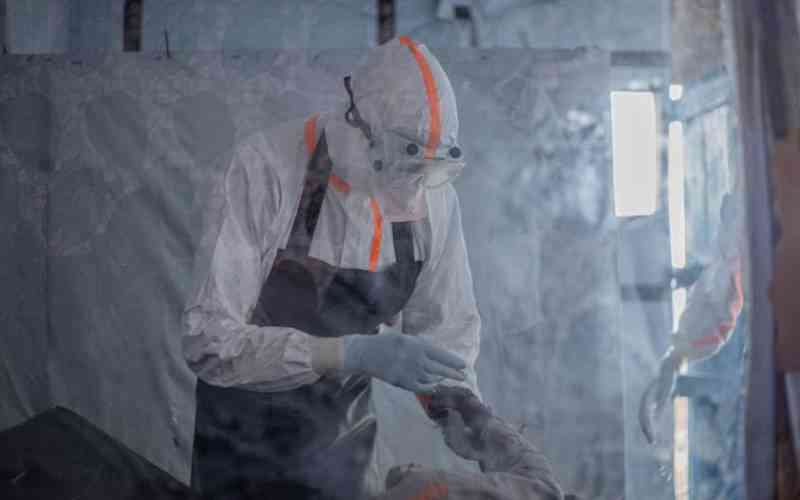
It is laudable that the government has established 23 Ebola isolation and treatment centres nationwide as part of its preparedness and response measures. We can only hope that it has set aside enough resources and trained enough personnel to deal with this emergency.
However, this is not a battle for the government alone. The public has a big role to play if we are to defeat this enemy in record time. Some of the measures that helped to prevent the spread of Covid-19 such as washing hands frequently with soap and water or using alcohol-based hand sanitisers will come in handy.
People must also avoid direct contact with blood, body fluids, or tissues of infected persons. The government must immediately initiate public awareness campaigns to inform members of the public about what is expected of them.
There is absolutely no room for complacency. As former Health CS Mutahi Kagwe famously warned during that national crisis, "If we treat this disease normally, it will treat us abnormally." That warning rings louder today than ever.
The Ministry of Health and county governments must act with extreme urgency, transparency, and clinical discipline to ensure this single imported case does not escalate into a national disaster. We must all remain vigilant, strictly follow health protocols, and demand full accountability from those tasked with keeping our national borders safe.
Stay informed. Subscribe to our newsletter



Subscribe to our newsletter and stay updated on the latest developments and special offers!








 join
join